Physical Address
4676 Railroad Street Marquette
MI 49855
Physical Address
4676 Railroad Street Marquette
MI 49855

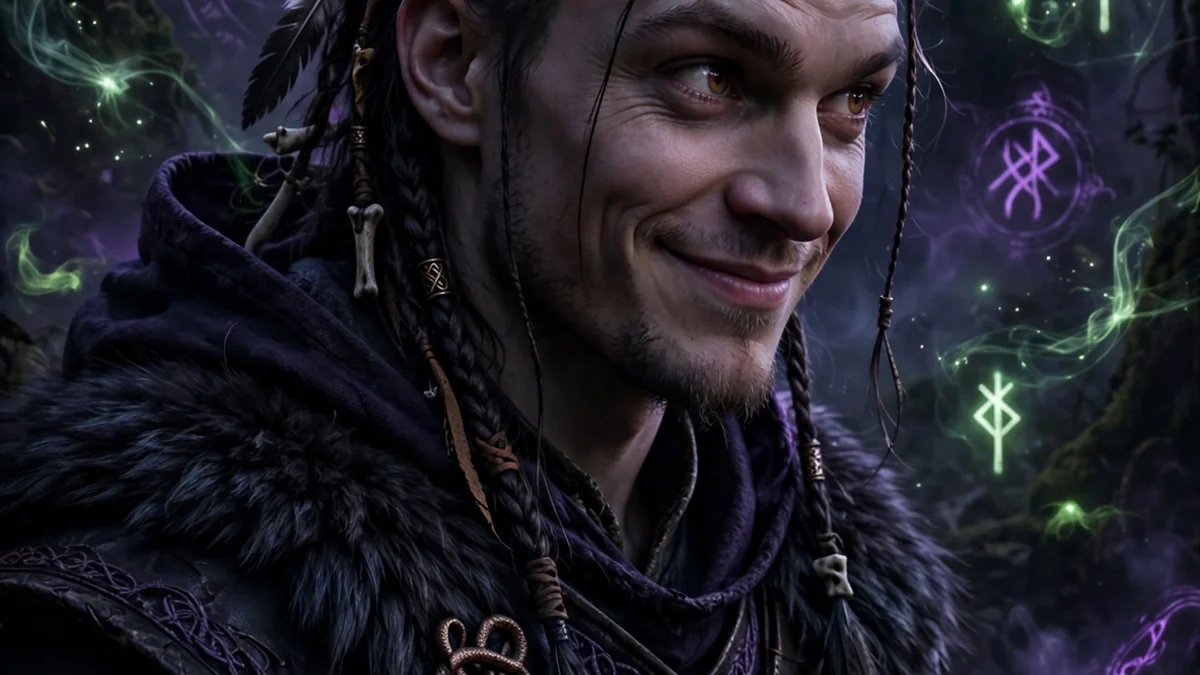
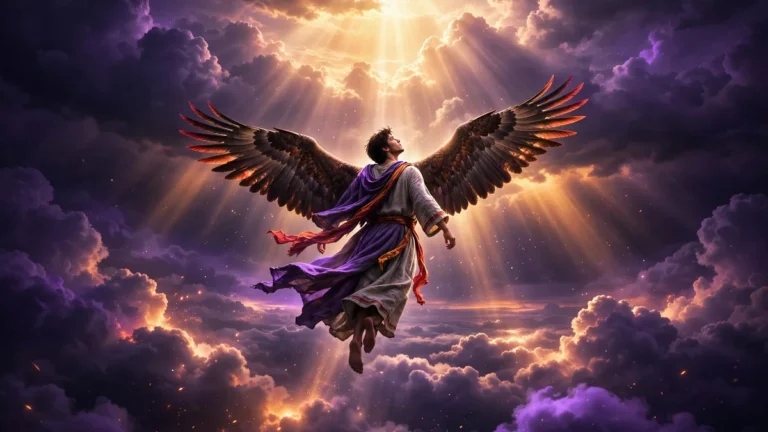
Norse trickster tales center on Loki, the shape-shifting god of mischief whose pranks range from hilarious to catastrophic. His most famous tricks include cutting Sif’s golden hair, tricking the blind god Hod into killing Baldr, stealing Freyja’s necklace, and transforming into a mare to sabotage a giant builder. Unlike pure villains, Loki is complex — his tricks often accidentally create the gods’ greatest treasures, making him both their worst enemy and unwitting benefactor.
Every mythology has a trickster — a clever character who breaks rules, plays pranks, and upsets the natural order. Think of Anansi the spider in African tales, Coyote in Native American stories, or Sun Wukong the Monkey King in Chinese myth. Tricksters are not heroes or villains. They are chaos agents who expose foolishness, challenge authority, and remind us that cleverness can defeat strength.
In Norse mythology, the trickster is Loki — and he is one of the most fascinating tricksters in any mythology in the world.
Loki is a complicated figure. He is counted among the Aesir gods, but he is actually the son of giants. He became Odin’s blood-brother through an ancient ritual, which gave him a place in Asgard. He is handsome, silver-tongued, and impossibly clever. He can change his shape at will — becoming a woman, a mare, a fly, a fish, or an old crone.
But Loki has a fatal flaw: he cannot resist a trick. Even when he knows it will end badly, even when the gods threaten to kill him, the temptation of a clever scheme is too strong. This makes him both endlessly entertaining and ultimately tragic.
Loki’s most famous early prank is simple: he sneaks into Thor’s bedroom at night and shaves off all of Sif’s golden hair. There is no reason. It is pure mischief.
Thor’s rage is terrifying. He grabs Loki and threatens to break every bone in his body. Loki, thinking fast, promises to replace the hair with something even better — real gold that grows like natural hair. This forces him to visit the dwarves, whose craftsmanship produces not only the golden hair but also Thor’s hammer Mjolnir, Odin’s spear Gungnir, and the ship Skidbladnir.
One stupid prank accidentally arms the gods for eternity.
Freyja owns Brisingamen, a magnificent golden necklace crafted by dwarves. Loki wants it — partly from desire, partly from mischief. He sneaks into Freyja’s bedroom, but she is sleeping on top of the necklace’s clasp.
Loki transforms into a fly and bites Freyja’s cheek. She stirs in her sleep and turns over — just enough for Loki to unclasp the necklace and steal it. When Freyja discovers the theft, she is furious. Heimdall, the watchful god, eventually recovers it after fighting Loki (who had turned into a seal) on a rocky island.
The tale shows Loki’s signature style: clever, sneaky, and ultimately pointless — he gains nothing from the theft except chaos.
When a mysterious builder offers to construct Asgard’s defensive wall in exchange for the sun, the moon, and Freyja, Loki convinces the gods to accept — certain the builder cannot finish in time. But the builder’s magical stallion hauls stones at supernatural speed, and the wall nears completion.
The gods give Loki an ultimatum: fix this or die horribly. Loki transforms into a beautiful mare and lures the stallion away into the forest for the crucial final nights. The builder fails. Thor kills him (revealing him as a giant). Months later, Loki returns leading an eight-legged foal — Sleipnir, who becomes Odin’s steed.
Loki’s trick saves Asgard but costs him a pregnancy and childbirth. Tricksters always pay a price.
Loki’s darkest trick begins with a mother’s love. Frigg, fearing a prophecy, makes every living thing swear never to harm her beloved son Baldr — every stone, tree, metal, disease, and animal. Everything swears except the mistletoe, which is too young to matter.
Loki discovers this loophole. He fashions a spear from mistletoe and finds Hod, Baldr’s blind brother. During a game where the gods are throwing things at the invulnerable Baldr for fun, Loki guides Hod’s hand and helps him throw the mistletoe spear. It pierces Baldr’s heart. He dies instantly.
The gods are devastated. This murder sets Ragnarok in motion. Loki has crossed the line from mischief to evil — and there is no going back.
After the Sif’s hair incident, Loki makes a bet with the dwarf Brokkr that his brother Sindri cannot craft treasures as fine as those made by the Sons of Ivaldi. While Sindri works at his forge, Loki transforms into a fly and bites Brokkr’s neck repeatedly, trying to make him stop pumping the bellows.
Brokkr endures the pain — though blood runs into his eyes. Sindri completes his work: the golden boar Gullinbursti, the ring Draupnir (which creates new rings), and the hammer Mjolnir (with a short handle, because Loki’s bite made Brokkr falter at the crucial moment).
Even in sabotage, Loki accidentally helps create wonders.
Loki is the most famous, but Norse myth has other trickster figures:
Utgarda-Loki: A giant king (unrelated to Loki despite the name) who humiliates Thor and his companions through illusion and trickery — turning contests into impossible challenges through magic disguise.
The Dwarves: Often play trickster roles, using their craftiness to outwit gods and giants alike. They drive hard bargains and hide crucial details.
Odin himself: The All-Father frequently uses trickery — disguising himself as a wanderer, rigging contests, and manipulating events from the shadows. The line between wisdom and trickery is thin in Norse myth.
Trickster stories serve a real purpose. They teach that:
The Vikings told these stories not just for laughs, but as warnings. In a harsh world, cleverness was survival — but unchecked cleverness was destruction.
One of the most revealing trickster tales is not about a prank but about words. In the poem Lokasenna (“Loki’s Quarrel”), Loki crashes a feast of the gods and systematically insults every single one of them — exposing their secrets, mocking their failures, and revealing uncomfortable truths.
He mocks Odin for practicing “unmanly” magic, Thor for being afraid of a giant’s glove (mistaking it for a hall), Tyr for losing his hand, and Freyja for sleeping with dwarves to get her necklace. Each insult contains a grain of truth, which is what makes them so devastating.
The gods are furious but cannot easily refute him — because he is right. This tale shows the trickster’s most dangerous power: not magic or shape-shifting, but the ability to speak truths no one wants to hear. Loki is punished severely for this outburst, but the damage is done. The gods’ perfect image is shattered.
What it teaches: Words can wound more deeply than weapons, and those who speak uncomfortable truths often pay the highest price.
After causing Baldr’s death, Loki flees the gods’ wrath. He hides in the mountains, and during the day, he transforms into a salmon and hides in a waterfall. In his spare time, he invents something new: a fishing net made of linen thread — the first net ever made.
When the gods finally track him down, Loki sees them coming and throws his invention into the fire. But the wise god Kvasir (himself born from the gods’ spit) sees the net’s outline in the ashes and understands what it was. The gods quickly weave their own net, catch the salmon-Loki, and drag him to his punishment.
The trickster is undone by his own cleverness — his greatest invention becomes the instrument of his capture. It is a perfect trickster ending: hoist by his own petard.
What it teaches: Your greatest strengths can become your greatest weaknesses, and cleverness cannot outrun consequences forever.
After Baldr’s death, the gods hunt Loki down. He hides as a salmon in a waterfall, but they catch him in a net of his own invention. They bind him in a cave with the entrails of his own son, and place a serpent above him to drip venom on his face. His wife Sigyn holds a bowl to catch the venom, but when she empties it, the drops burn him — and his writhing causes earthquakes.
At Ragnarok, Loki breaks free and leads the forces of chaos against the gods. He kills Heimdall, and Heimdall kills him. The trickster’s story ends the way it lived: in mutually assured destruction.
Not exactly. Early in the myths, Loki is a mischievous troublemaker whose pranks often help the gods accidentally. He only becomes truly evil after killing Baldr. Scholars see him as a complex figure representing chaos, not pure villainy.
Cutting Sif’s hair, stealing Freyja’s necklace as a fly, transforming into a mare to sabotage the wall builder, tricking Hod into killing Baldr with mistletoe, and sabotaging the dwarves’ forge as a fly.
Yes. Loki transforms into a mare and gives birth to Sleipnir, and in some stories takes female form. Shape-shifting — including across genders — is one of his defining powers. The Norse saw this as part of his chaotic nature.
Famous tricksters include Anansi (West Africa), Coyote and Raven (Native America), Sun Wukong (China), Hermes (Greece), and Maui (Polynesia). Tricksters appear in nearly every culture’s stories.
Loki is Odin’s blood-brother by ancient oath, which the gods honor. More practically, his cleverness repeatedly saves them — his tricks cause problems, but his cunning also solves them. They need him as much as they fear him.
That cleverness without wisdom is dangerous, that actions have consequences, and that chaos — while entertaining — ultimately destroys both its victims and itself. The Vikings admired wit but warned against letting it run wild.
Yes — several famous ones. With the giantess Angrboda: Fenrir the wolf, Jormungandr the world serpent, and Hel, queen of the dead. As a mare: Sleipnir, the eight-legged horse. His children are among the most important monsters in Norse myth.
Marvel’s Loki is Thor’s adopted brother and a charming anti-hero. The real Loki is Odin’s blood-brother, far more chaotic, a shape-shifter who becomes female animals, and ultimately a far darker figure who causes the apocalypse.