Physical Address
4676 Railroad Street Marquette
MI 49855
Physical Address
4676 Railroad Street Marquette
MI 49855

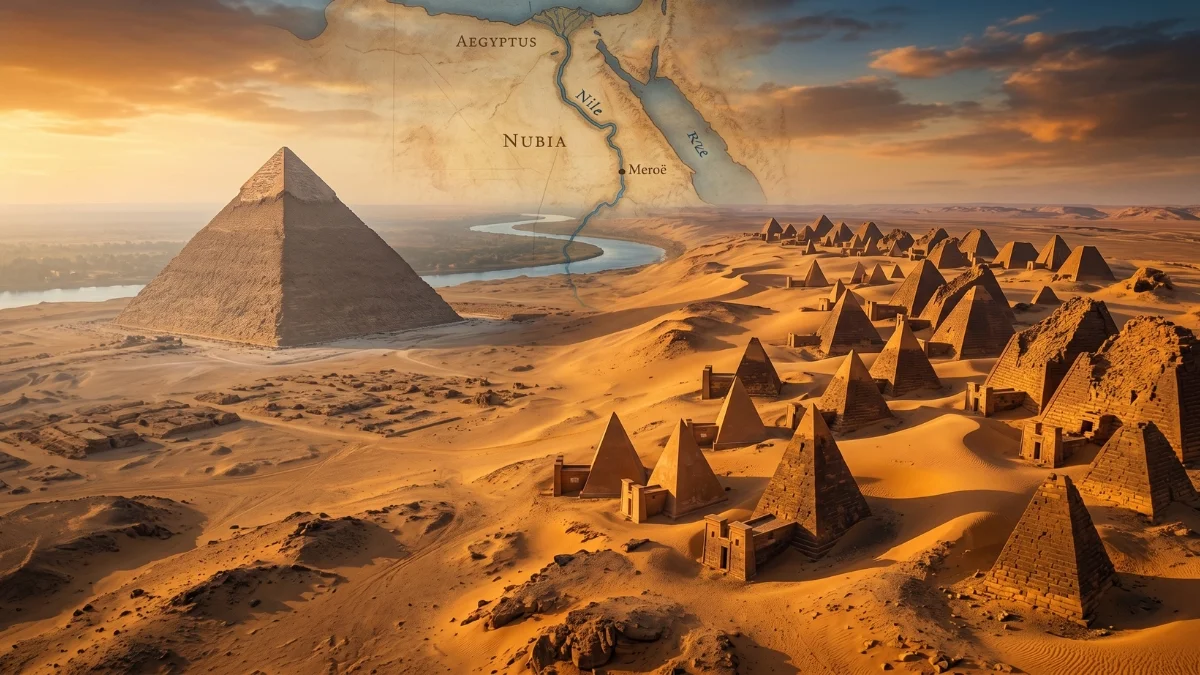
When people hear the question What Country Has the Most Pyramids, most immediately think of Egypt. After all, Egypt is famous for the Great Pyramid of Giza, one of the most recognizable landmarks in human history. However, the real answer often surprises travelers, history enthusiasts, and even students of archaeology.
Although Egypt is home to some of the world’s most famous pyramids, it does not have the highest number of them. That title belongs to Sudan, a country with a rich ancient history and a remarkable collection of pyramids that many people have never heard about.
This fascinating fact challenges a common belief and reveals an important chapter of African history that deserves greater attention.
The country with the most pyramids in the world is Sudan. Researchers have identified more than 200 pyramids across the country, while Egypt has around 118 known pyramids. Most of Sudan’s pyramids were built by the Kingdom of Kush, an ancient civilization that flourished along the Nile River. These structures served as royal tombs for kings, queens, and important members of society. Today, Sudan’s pyramids stand as powerful reminders of a civilization that played a significant role in shaping the history of northeastern Africa.
The popularity of Egypt’s pyramids has influenced public perception for generations. Movies, documentaries, history books, and travel advertisements frequently highlight the pyramids of Giza. As a result, many people assume Egypt must also have the largest number of pyramids. However, fame and quantity are not always the same thing. Egypt’s pyramids are larger and more widely known, but Sudan contains a greater number of pyramid structures overall. This difference often surprises those who are learning about ancient African civilizations for the first time.
The Kingdom of Kush emerged in what is now modern-day Sudan. Located south of Egypt, this civilization benefited from fertile land, access to trade routes, and strong cultural connections with neighboring regions. Over time, Kush became one of the most influential kingdoms in Africa. Its rulers accumulated wealth and power, allowing them to build impressive cities, temples, and pyramids. The kingdom thrived for centuries and left behind a legacy that continues to attract historians and archaeologists from around the world.
Kush and Egypt shared a long and complex relationship. Sometimes they traded peacefully, while at other times they competed for regional influence. Interestingly, Kushite rulers eventually conquered Egypt and established the Twenty-Fifth Dynasty. During this period, Kushite kings ruled as pharaohs and adopted many Egyptian customs. One of these traditions was the construction of pyramids. However, the Kushites modified the design and created a unique architectural style that distinguished their monuments from those found in Egypt.
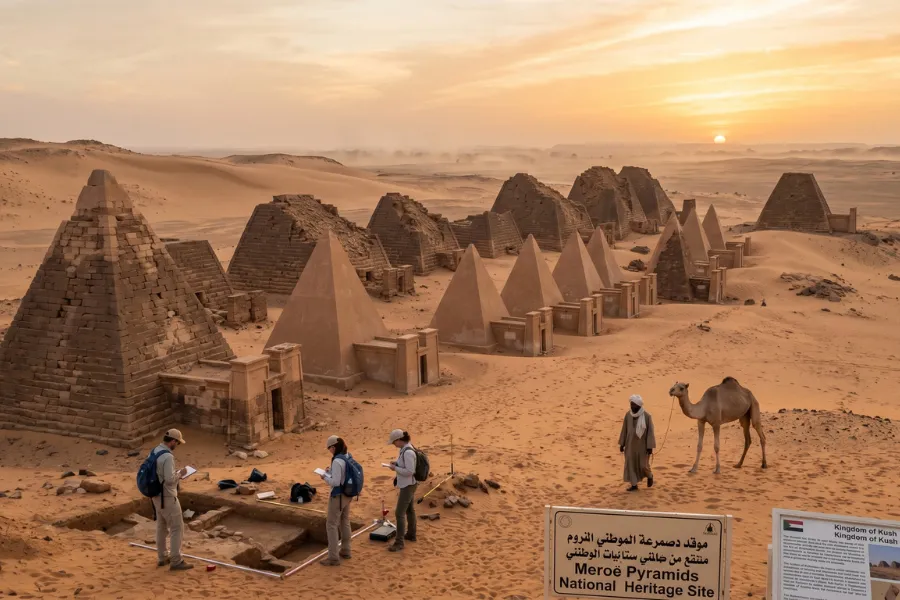
Several archaeological sites across Sudan contain large numbers of pyramids. These locations provide valuable insights into the culture and achievements of the Kingdom of Kush.
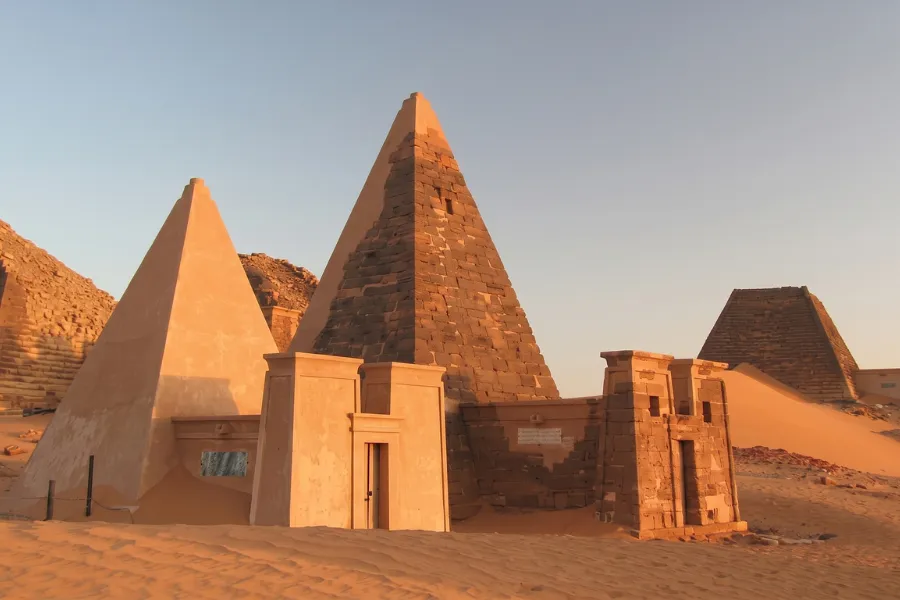
Meroë was once the capital of the Kingdom of Kush and remains one of the most important archaeological sites in Africa. The area contains dozens of pyramids rising from the desert landscape. These structures feature steep sides and distinctive proportions that make them different from Egyptian pyramids. Today, Meroë attracts visitors who want to explore a less crowded but equally fascinating piece of ancient history.
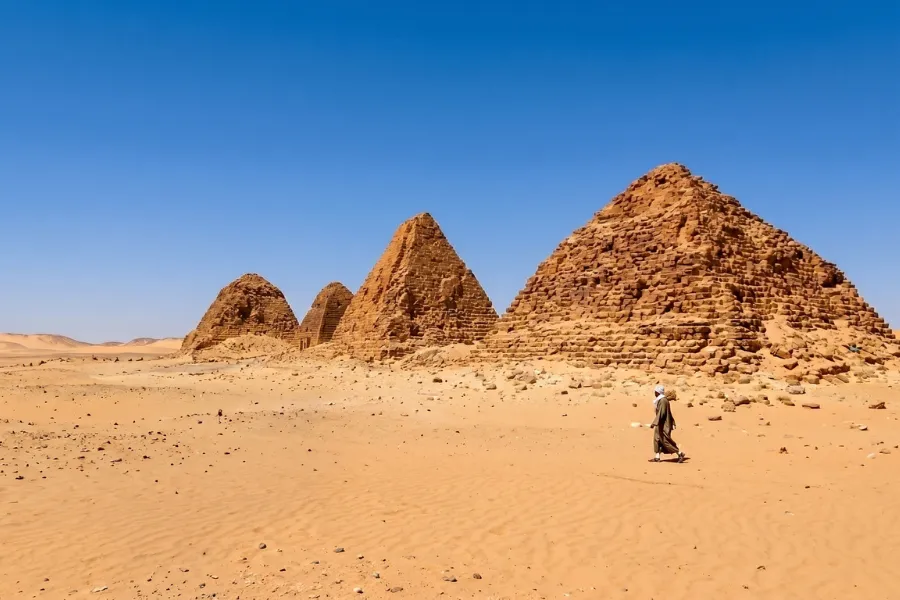
Nuri is another significant pyramid site in Sudan. It contains the tombs of several Kushite rulers, including King Taharqa, one of the most famous kings in Kushite history. Archaeological excavations at Nuri have uncovered valuable artifacts and inscriptions that help researchers understand the beliefs and customs of ancient Kushite society.
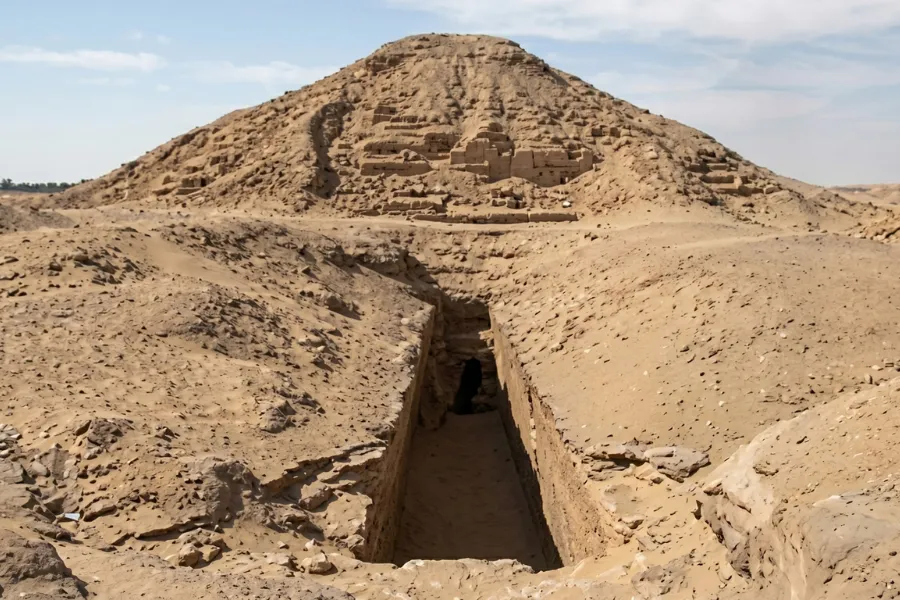
El-Kurru served as one of the earliest royal burial grounds of the Kingdom of Kush. The site includes pyramids, underground chambers, and decorative artwork that reveal important details about royal ceremonies and burial traditions. These discoveries continue to contribute to our understanding of ancient African civilizations.
Although both cultures built pyramids, several differences separate Sudanese and Egyptian examples.
Egyptian pyramids are generally larger and wider. The Great Pyramid of Giza remains one of the largest structures ever built in the ancient world. In contrast, Sudanese pyramids are typically smaller but much steeper. Their narrow bases and sharp angles create a distinctive appearance that sets them apart from Egyptian monuments.
The builders of Kush adapted Egyptian ideas while incorporating local traditions into their designs. Consequently, Sudanese pyramids developed their own architectural identity. These unique characteristics help historians distinguish between the monuments of the two civilizations.
Sudan’s pyramid fields offer much more than impressive architecture. They provide evidence of a sophisticated civilization that made significant contributions to regional history and culture. For many years, discussions about ancient civilizations focused heavily on Egypt, Greece, and Rome. However, modern archaeological research has highlighted the importance of African kingdoms such as Kush. These discoveries demonstrate that innovation, trade, and cultural development flourished across many regions of the ancient world. As a result, Sudan’s pyramids are gaining increasing recognition among scholars and travelers alike.
Protecting ancient monuments is essential for preserving history. Over time, weather conditions, erosion, and human activity can damage archaeological sites. Therefore, preservation efforts play a crucial role in safeguarding Sudan’s pyramids. Researchers, conservation specialists, and local authorities continue working together to document and protect these structures for future generations. Their efforts ensure that the story of the Kingdom of Kush remains accessible to students, historians, and visitors from around the world.
The country contains the highest concentration of pyramids in the world.
These monuments primarily served as burial sites for royalty and nobility.
Despite their smaller size, Sudanese pyramids feature striking architectural designs.
Compared to Egypt’s famous monuments, Sudan’s pyramids remain relatively undiscovered by international tourists.
Ongoing research regularly reveals new information about Kushite culture and history.
The answer to What Country Has the Most Pyramids surprises many people. While Egypt is home to some of the most famous pyramids ever built, Sudan actually contains the largest number of pyramid structures in the world. These monuments were primarily constructed by the Kingdom of Kush, a powerful African civilization that flourished along the Nile River for centuries. Their unique architecture, historical significance, and cultural value make them some of the most fascinating archaeological sites on Earth. As awareness continues to grow, Sudan’s pyramids are finally receiving the recognition they deserve. They remind us that the story of ancient civilization extends far beyond the places most people already know.
Sudan has the most pyramids in the world, with more than 200 known pyramid structures.
Yes. Egypt’s pyramids, especially the Great Pyramid of Giza, are more famous internationally.
Most of Sudan’s pyramids were built by the ancient Kingdom of Kush.
The most important pyramid sites include Meroë, Nuri, and El-Kurru.
They provide valuable insights into the history, culture, and achievements of the Kushite civilization.
Yes. Several pyramid sites in Sudan welcome tourists interested in history and archaeology.