Physical Address
4676 Railroad Street Marquette
MI 49855
Physical Address
4676 Railroad Street Marquette
MI 49855

How the natural world really works — animal behavior, the science of sleep, and the wonders hiding in plain sight, explained without the jargon. Why do squirrels flick their tails? Do bees sleep at night? We dig into the real science behind nature’s curious habits and everyday phenomena, translating research into plain language anyone can enjoy and understand. From backyard wildlife to the hidden workings of your own body.
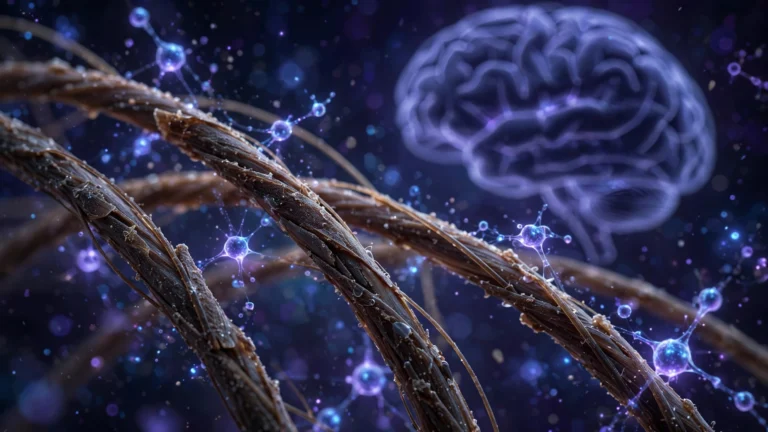
Does Hair Hold Memories? The Science Says No (But…) Quick Answer: No — hair does not store memories. Memories are encoded in the brain’s neurons and synapses, not in hair strands. However, hair does record a chemical diary of your…
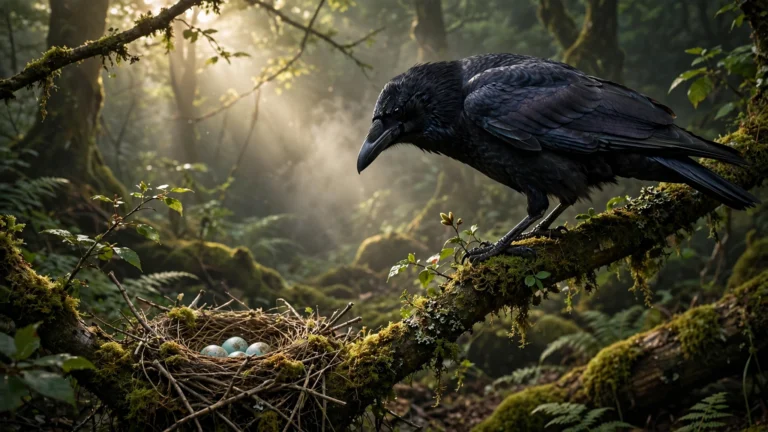
Do Crows Eat Other Birds? The Surprising Truth Quick Answer: Yes — crows do eat other birds. They are opportunistic omnivores that raid nests for eggs and baby birds (nestlings), and will occasionally kill small or injured adult birds. But…

Quick Answer: Most zoo flamingos cannot fly away because their wings have been pinioned, a permanent procedure that removes the tip of one wing, or their flight feathers are regularly clipped. Some zoos also keep flamingos in open enclosures because…

Quick Answer: Technically yes, flamingo eggs are edible, but you should never eat one. Flamingos are protected by law in almost every country, they lay only one egg per year, and taking an egg could harm the chick or the…
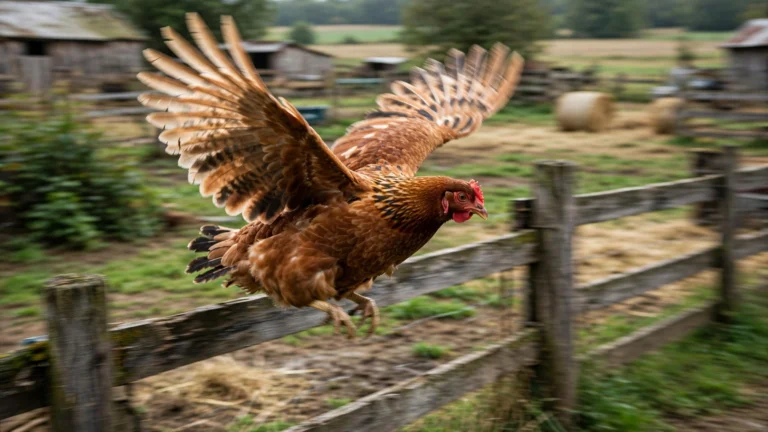
Quick Answer: Yes, chickens can fly, but not well or far. Most chickens can flutter 10 to 15 feet high and travel 30 to 50 feet before landing. Centuries of domestication bred them for meat and eggs, not flight, so…
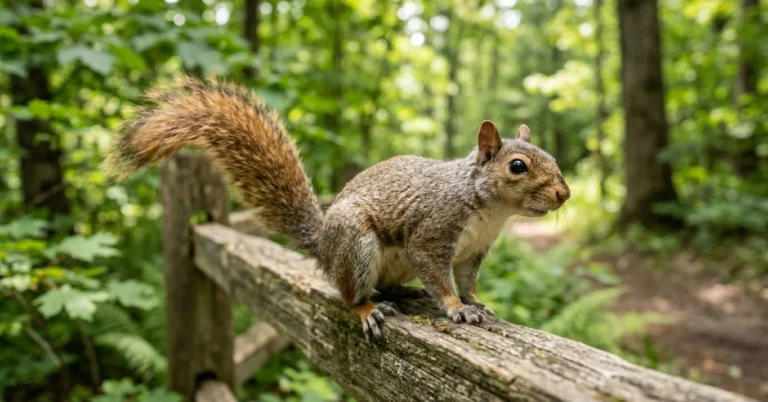
Quick Answer: Squirrels flick their tails mostly to communicate. The quick, snappy flicks can warn other squirrels of danger, tell a predator “I see you, so don’t bother,” defend a territory, or show a mood like stress, irritation, curiosity, or…

Quick Answer: Can newborns have bad dreams? Probably not true nightmares. When a newborn cries or twitches in sleep, it is usually normal REM sleep behavior or simple discomfort like hunger or gas — their brains are still developing and…
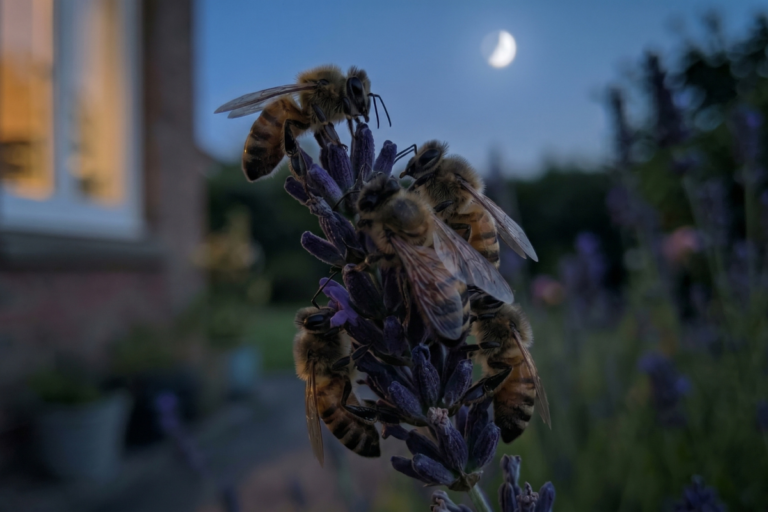
Have you ever watched a beehive at night and wondered — do bees sleep at night? Most people assume bees are always busy. The truth is more interesting: bees have real sleep needs, body clocks, and rest patterns that affect…