Physical Address
4676 Railroad Street Marquette
MI 49855
Physical Address
4676 Railroad Street Marquette
MI 49855

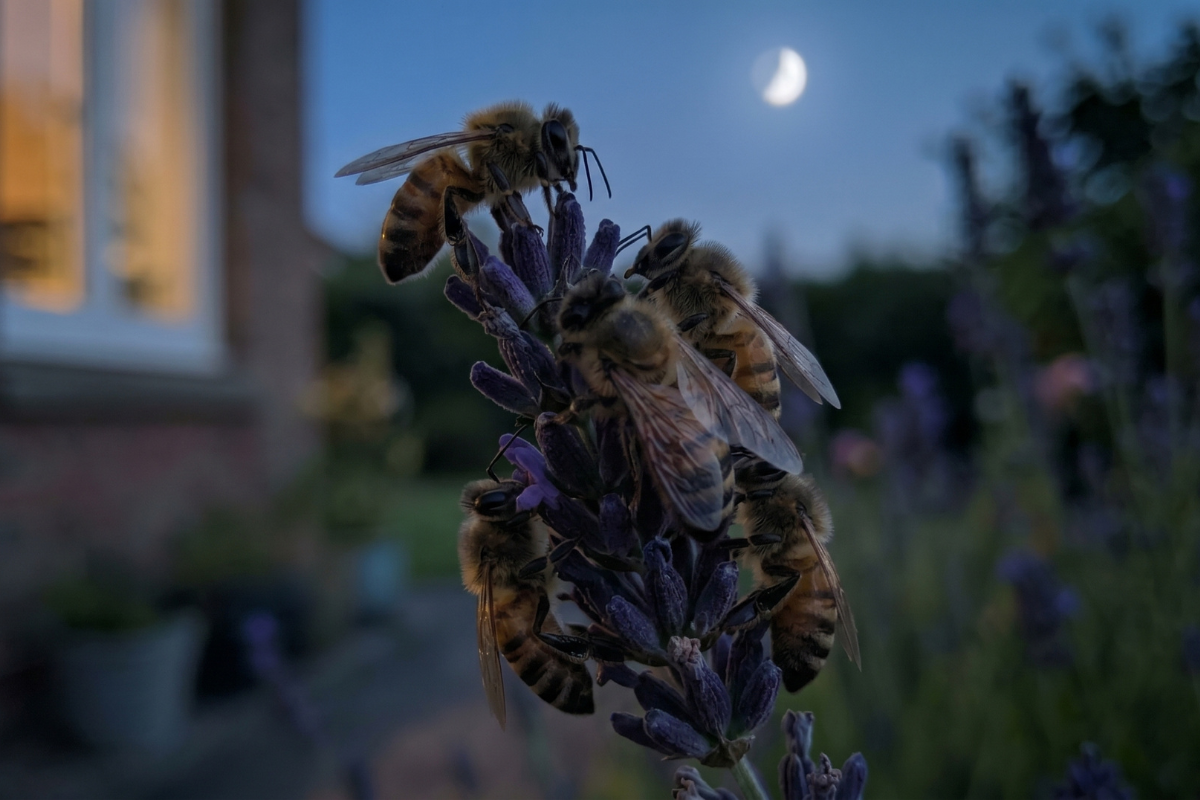
Have you ever watched a beehive at night and wondered — do bees sleep at night? It is a surprisingly interesting question. Most people assume bees are always busy. The reality is even more fascinating than you think. Many gardeners, beekeepers, and nature lovers often find it hard to get a clear answer. The topic is rarely covered in simple, reliable sources.
Understanding how bees sleep can make you a better beekeeper and nature lover. In this post, you’ll discover what science knows about bee rest cycles, sleep patterns, and their nighttime activities. Let us explore what really happens inside a hive after the sun goes down.
Bee sleep is not just a fun fact. It is deeply connected to bee health, pollination, and colony survival. When bees do not get enough rest, their ability to navigate, communicate, and forage is seriously affected. Research shows that sleep-deprived bees perform the waggle dance incorrectly. This dance is how bees communicate food locations to the colony. Poor sleep means inaccurate directions, which leads to less food and a weaker hive.
For beekeepers, understanding bee rest patterns also helps in planning hive inspections. Opening a hive during sleep hours can stress the colony unnecessarily. Knowing when bees sleep makes you a more responsible and effective beekeeper. Additionally, bee sleep research gives scientists important clues about insect neuroscience. Bees have much simpler brains than mammals, yet they show clear signs of sleep behavior. This raises fascinating questions about the evolution of sleep across all animals.
Learning about bee sleep offers practical and scientific benefits. Here are the most important reasons why this knowledge matters.
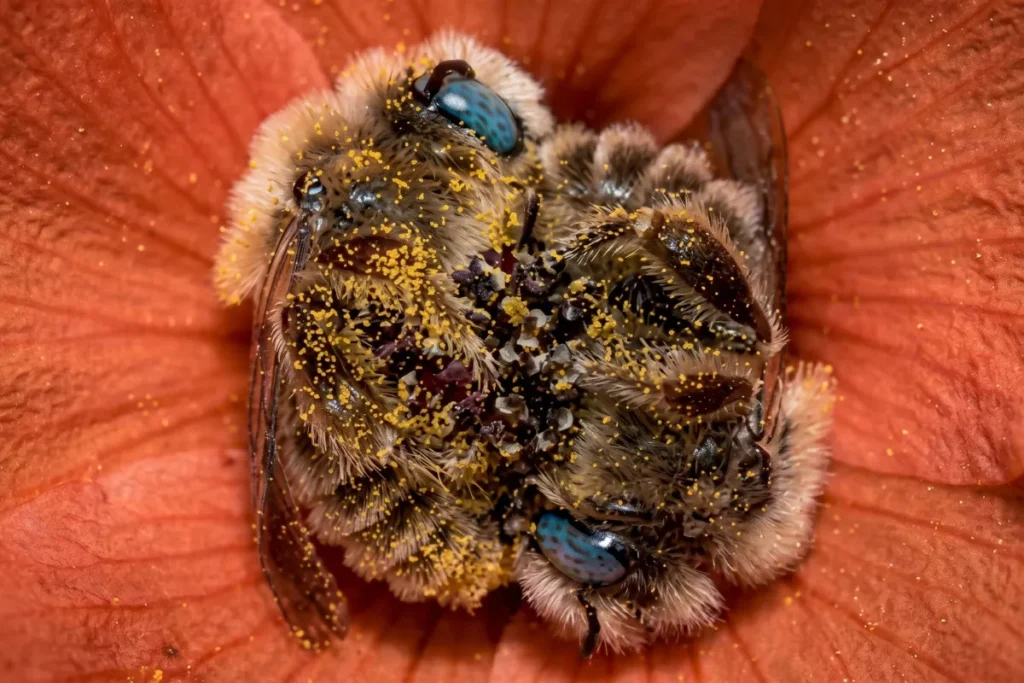
The direct answer to do bees sleep at night is yes, most bees do sleep when darkness falls. Honey bees, in particular, show clearly observable sleep behavior. Worker bees stop moving, lower their antennae, and remain still for hours at a time. This was confirmed through scientific observation as far back as 1988 by researcher Walter Kaiser. He documented that bees enter a rest state at night that closely resembles sleep in other animals.
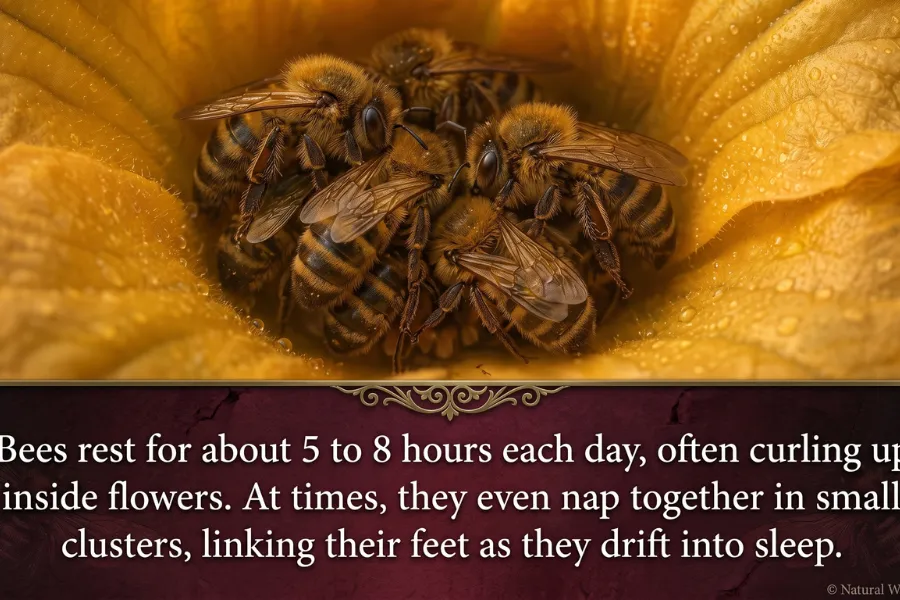
Not all bees follow the same sleep pattern. Honey bees are strictly diurnal, meaning they are active during the day and rest at night. Some species, like the Eastern carpenter bee and some tropical bees, are crepuscular or even partly nocturnal.
Solitary bees also have different patterns compared to colony bees. Solitary bees don’t have guard duties or hive tasks, so their sleep is simpler and less regulated by social rules.
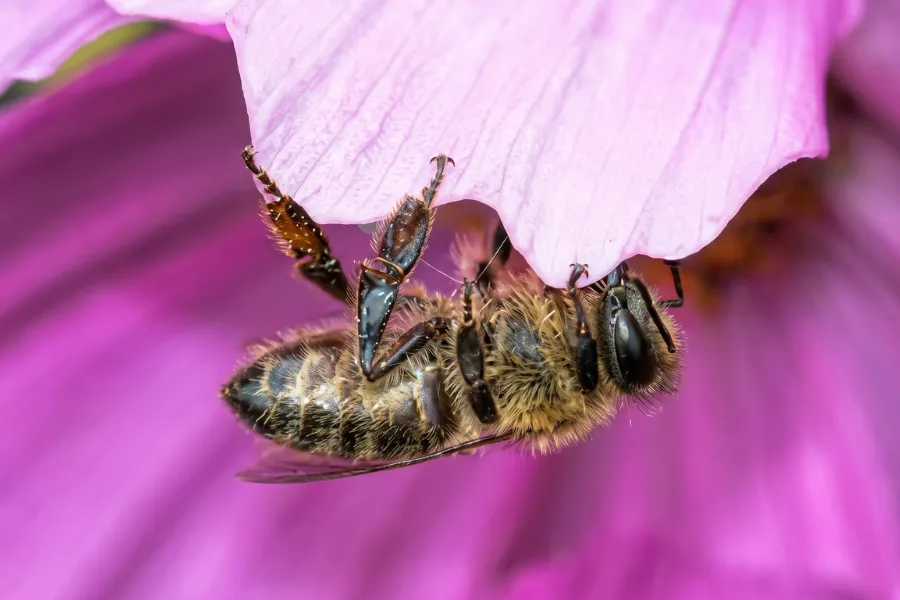
Worker bees typically sleep between five and eight hours per day. Interestingly, older forager bees sleep more than younger nurse bees. This is because foraging requires complex spatial memory and navigation — tasks that rely heavily on good quality rest.
Younger bees in the hive take short naps during the day and night. In contrast, older foragers sleep longer at night.
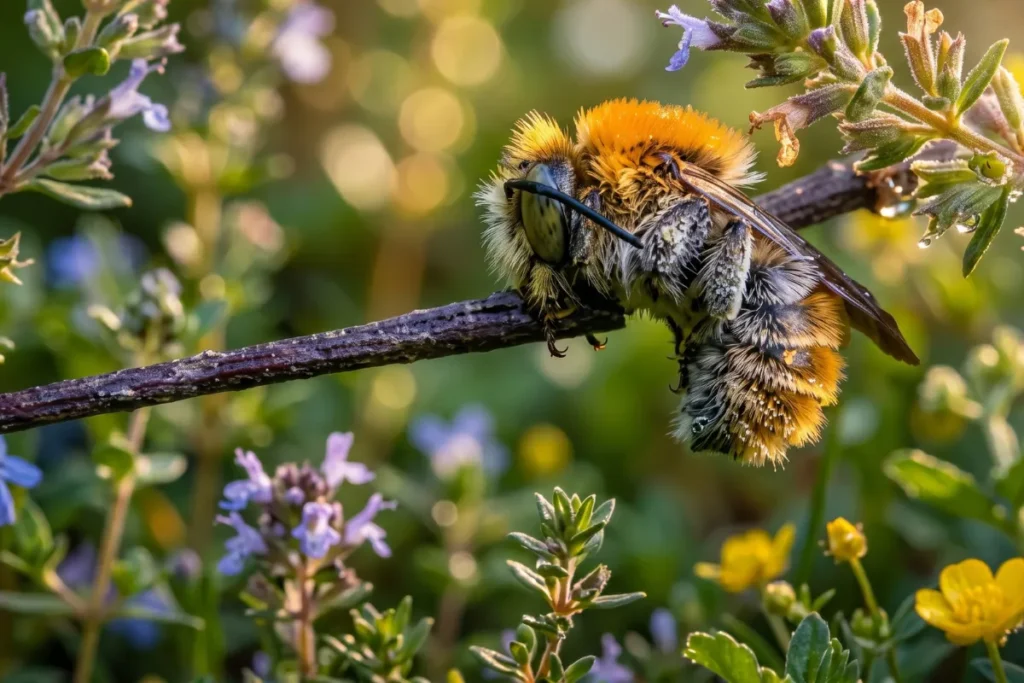
Inside a hive, bees sleep in a fascinating variety of places. Some rest in empty brood cells, fitting snugly into the hexagonal chambers. Others hang in clusters from the comb, almost like miniature hammocks made of bees.
Solitary bees and bumblebees that live outdoors often sleep on flower petals, inside hollow stems, or beneath leaves. Male bees, who are not allowed inside the hive, frequently sleep on plants nearby.
A sleeping bee looks noticeably different from an active one. The antennae droop downward instead of pointing forward. The body relaxes and becomes motionless. The legs may loosen their grip slightly on the surface.
In deeper sleep stages, bees become harder to wake. A light disturbance may not rouse them at all. This is strikingly similar to the deeper sleep phases seen in mammals, including humans.
Yes, queen bees sleep too, but their patterns are different from worker bees. Since the queen mainly lays eggs, she rests in short bursts instead of long stretches of sleep.
Interestingly, the queen is rarely left alone even during rest. Attendant worker bees always surround her, grooming, feeding, and protecting her even while she sleeps.
Bees have internal biological clocks called circadian rhythms, just like humans. These rhythms regulate when bees feel alert and when they feel the need to rest. Light and temperature are the main environmental signals that control these rhythms.
Disrupting a bee’s circadian rhythm can lead to major issues. For example, exposing them to artificial light at night causes behavioral problems. It also reduces their learning ability and shortens their lifespans.
One of the most remarkable findings in bee sleep research is the link between sleep and communication. Bees use the waggle dance to share the location of food sources. Sleep-deprived bees perform this dance with significant errors.
This means the entire colony suffers when bees are denied proper rest. Fewer bees find flowers, less nectar is collected, and the hive’s food stores shrink. Proper sleep is therefore directly tied to colony survival.
Bee sleep patterns change significantly with the seasons. During winter, honey bees form a cluster inside the hive and enter a semi-dormant state called torpor. This is not the same as hibernation, but it involves greatly reduced activity and minimal movement.
In summer, days are long, and food is easy to find. Bees sleep less because they need to gather nectar and pollen, still they always get some minimum amount of sleep.
Light pollution is a rising threat to bee sleep health. Streetlights, garden lights, and bright signs shine artificial light at night. This confuses bees’ internal clocks and keeps them from sleeping on time.
Research published in entomology journals has found that colonies near bright urban areas show reduced foraging efficiency and higher stress levels. Reducing artificial nighttime lighting near bee habitats is one simple way to protect these vital pollinators.
Many beekeepers and garden enthusiasts unknowingly disturb bee sleep. Here are the most common mistakes and how to avoid them.
This is one of the most disruptive things you can do to a colony. Bees are extremely defensive when disturbed at night. Schedule hive inspections in mid-morning to early afternoon. This is when most foragers are out, and the bees are naturally active.
Artificial lighting near beehives disrupts their circadian rhythms. If you keep bees in your garden, point lights away from the hives. Also, use amber or red-spectrum bulbs. They are less disruptive to insects.
Different bee species have different rest needs. What applies to honey bees does not always apply to mason bees, leafcutter bees, or bumblebees. Always research the specific species you are working with.
Support bees and wild pollinators in your garden with these expert tips. They will help protect their natural rest cycles.
Yes. Most honey bees retreat into the hive at night and enter a rest state. Worker bees sleep in empty cells or hang in clusters on the comb. The hive becomes noticeably quieter and activity slows dramatically after sunset.
Honey bees generally do not fly at night. They need warmth and light to navigate efficiently. However, on unusually warm nights or near bright artificial lights, some bees may emerge briefly. Certain other bee species such as some native sweat bees are partially nocturnal.
Bees do not have eyelids, so they cannot close their eyes the way humans do. Their sleep shows in their stillness, relaxed antennae, and lowered muscle tone. They also respond less to stimuli. Brain activity also changes in sleeping bees, similar to sleep stages in other animals.
At night, guard bees maintain a reduced but active watch at the hive entrance. Most worker bees stop moving and rest. The temperature inside the hive is regulated by the cluster of bees. The queen continues to rest surrounded by her attendants.
No. Like virtually all animals, bees require sleep to survive. Sleep-deprived bees have worse memory. They struggle to navigate and do poorly in their waggle dance. Plus, they tend to live shorter lives. Sleep is essential for maintaining the complex behaviors that make a honey bee colony function.
Yes. Solitary bees do not live in colonies, so their sleep is less socially regulated. They typically sleep alone inside nesting tubes, hollow stems, or flower petals. Male solitary bees, in particular, are often found sleeping on plants in a very visible and relaxed posture.
So, do bees sleep? Absolutely yes. Bees are amazing creatures. They have real sleep needs, biological clocks, and rest patterns. These factors affect their health and how well their colony performs.
Knowing how bees sleep helps beekeepers care for hives better. It also helps gardeners make safer spaces for wild pollinators. From honey bees resting inside honeycomb cells to solitary bees napping on flower petals, sleep is a vital part of every bee’s life cycle.
The next time you look at a quiet hive after sunset, remember — the bees inside are not just waiting for morning. They are resting, recovering, and preparing for another day of the most important ecological work on earth: pollination.