Physical Address
4676 Railroad Street Marquette
MI 49855
Physical Address
4676 Railroad Street Marquette
MI 49855

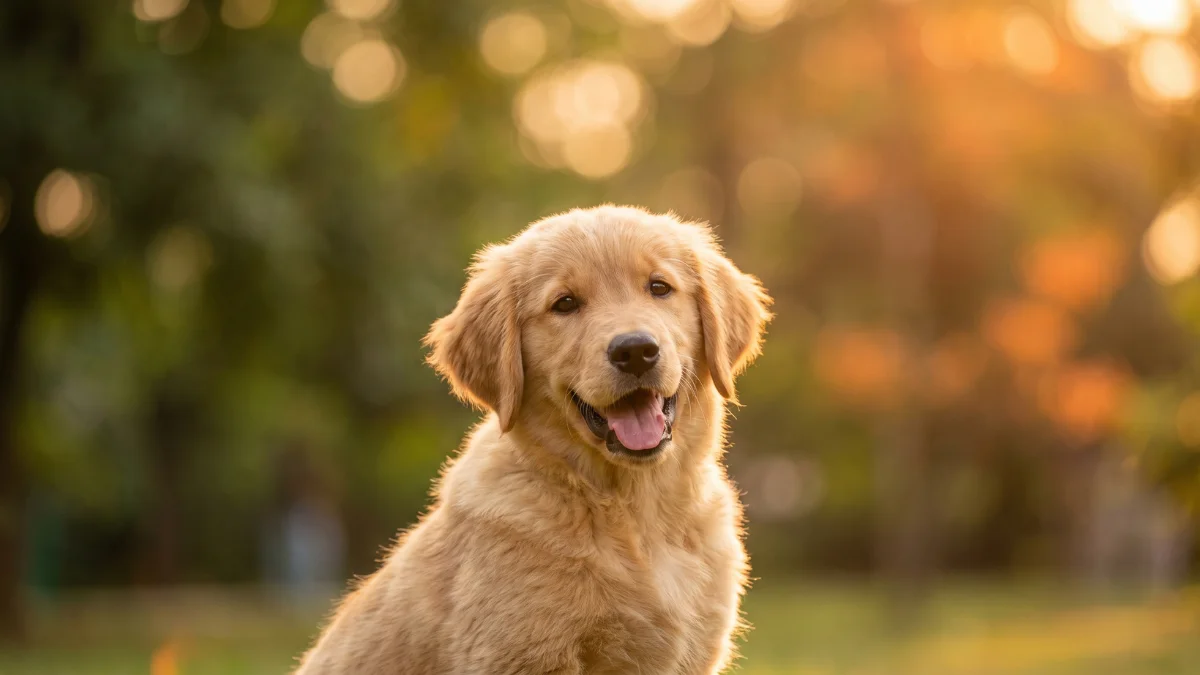
Dogs have been in our homes and hearts for thousands of years. Still, even long-time owners don’t know everything about their furry friends. Dog noses are unique, like fingerprints. Also, puppies are born blind. These fun facts will change how you see your pup. Whether you’re a curious kid or a devoted dog parent, here’s what makes dogs truly extraordinary.
A dog’s incredible sense of smell is one of nature’s best tools. The part of a dog’s brain devoted to smell is about 40 times larger, relative to size, than a human’s. Dogs’ noses can detect scents as small as parts per trillion. They can sniff out illness and even sense a person’s mood before we notice it.
Every nose print is unique too, just like a human fingerprint, making it a handy way to identify a lost dog. Some shelters and breed registries have looked into nose-print databases. They are doing this for a good reason. That constantly wet nose serves a purpose. The moisture traps scent particles, helping dogs better understand their surroundings.
Newborn puppies are born completely blind and deaf, relying entirely on touch and smell to find their mother in the first two weeks of life. Their eyes and ears don’t fully open until around 10 to 14 days old, which makes those early snuggles even more special. During this fragile window, a mother dog’s warmth and scent are the puppy’s entire world, guiding it to nurse and stay close for safety.
By three to four weeks, puppies start walking, playing, and exploring the world on wobbly legs. This early exploration is more than cute; it’s how puppies build the muscle coordination and social skills they’ll rely on for life.
Dogs don’t just react to tone of voice. Research shows the average dog can learn around 250 words and gestures, similar to a two-year-old child. The most gifted dogs, like a well-known Border Collie who made headlines for his vocabulary, have learned over 1,000 object names.
Beyond words, dogs read us constantly. They combine barks, tail position, ear movement, and posture to tell us exactly how they’re feeling. A wagging tail doesn’t always mean happiness. For instance, a stiff, high wag can show alertness or tension. In contrast, a loose, low wag usually signals relaxed joy. Learning to read these subtle signals is one of the best ways owners can strengthen their bond with their dog.
When it comes to size, the record books are wild. The tallest dog ever recorded, a Great Dane, stood over 7 feet tall on his hind legs. On the other hand, breeds like the Chihuahua can weigh just three or four pounds when fully grown.
Athleticism varies just as much as size. The Australian Shepherd was created to herd livestock on tough land. This gives it the stamina to run for hours. Greyhounds can run up to 45 miles per hour. This speed makes them the fastest dog breed in the world. Dogs can be very different in build, purpose, and personality, even within the same species.
Here’s a fact that surprises almost everyone: Dalmatian puppies are born pure white. Their signature spots develop slowly as they age. They usually show up in the first few weeks and get darker over time. By the time a Dalmatian is fully grown, it can have anywhere from 100 to several hundred distinct spots, and no two dogs share the same exact pattern.
Many popular breeds, like Huskies and Golden Retrievers, grow a double coat. The soft undercoat holds air for warmth. The coarser topcoat shields against rain, wind, and sun. This helps keep dogs comfy in nearly any climate. Heavily double-coated breeds shed a lot during seasonal changes. They’re trading their winter coats for summer ones.
Not every dog has this feature, though. Poodles and Bichon Frises have a single coat. This is one reason they do well in warmer climates. It also makes them more hypoallergenic.
Just like people, dogs can face health issues as they age, from joint problems to dental disease. Certain health conditions are more common in specific breeds. Large breeds, such as Great Danes and German Shepherds, are more likely to have hip dysplasia. Smaller breeds, like Dachshunds, face a higher risk of spinal problems due to their long backs.
Regular vet checkups, a balanced diet, and exercise help spot issues early. They also support a longer life for your dog. Many people often ignore dental care for dogs. However, most dogs show signs of gum disease by age three if their teeth aren’t taken care of.
Learning fun facts about dogs isn’t just trivia, it’s a window into why our pets act, smell, and grow the way they do. The more we learn about their biology and behavior, the better we can meet their needs. This includes choosing the right food and spotting early signs of illness.
Next time your dog tilts its head, sniffs a stranger’s shoes, or watches you closely, remember there’s real science behind it. Dogs are familiar companions, but they still surprise us in many ways.