Physical Address
4676 Railroad Street Marquette
MI 49855
Physical Address
4676 Railroad Street Marquette
MI 49855

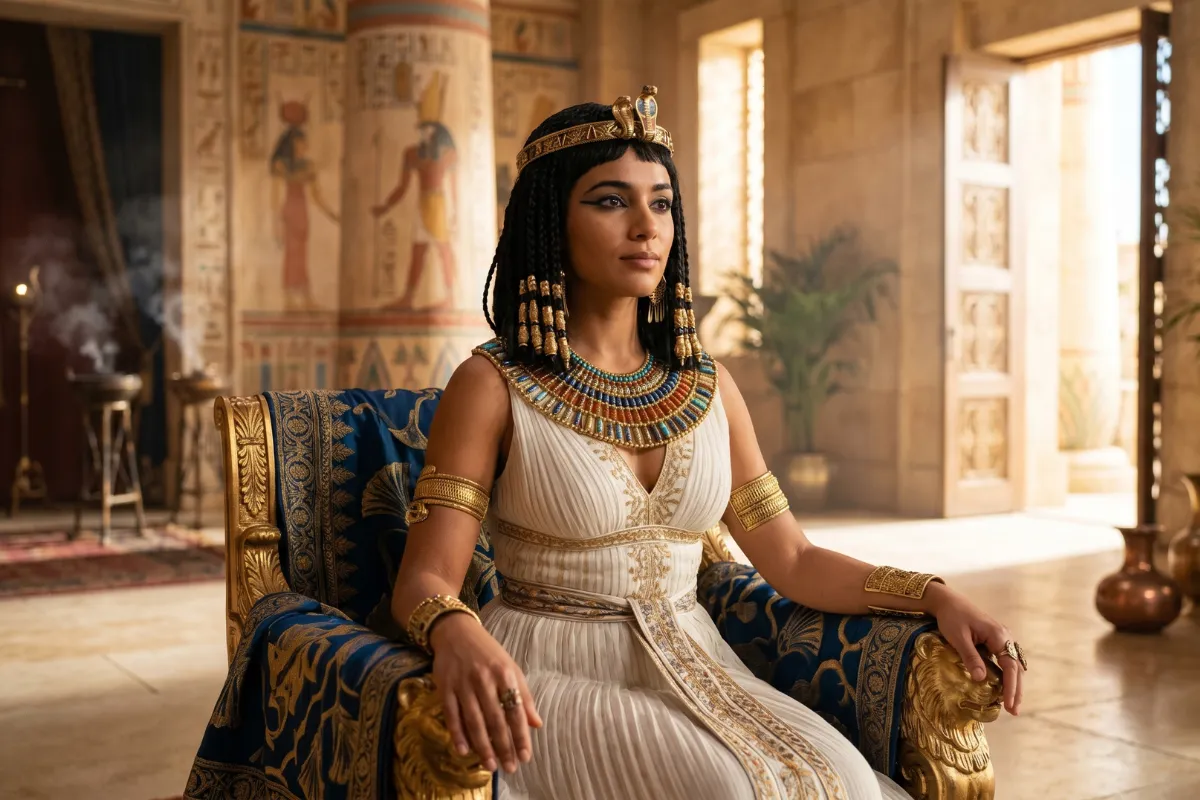
Beauty trends come and go, but Cleopatra Beauty Secrets continue to inspire people around the world. Known for her intelligence, charm, and elegant appearance, Cleopatra followed natural beauty practices that helped her maintain glowing skin and healthy hair. Many of her methods still influence modern skincare and wellness routines today.
Cleopatra VII was the last active ruler of Ancient Egypt. She remains one of history’s most famous women. Her reputation extends beyond politics because of her remarkable beauty and personal care routines. Historical records suggest that Cleopatra valued skincare, hygiene, and wellness. She relied on natural ingredients that were widely available in Egypt. These beauty rituals became part of her royal lifestyle and contributed to her iconic image.
Ancient Egyptians considered beauty a sign of health, status, and spiritual purity. As a queen, Cleopatra had access to premium ingredients and expert attendants.
Several elements formed the foundation of Cleopatra Beauty Secrets:
These practices focused on maintaining healthy skin rather than covering imperfections.
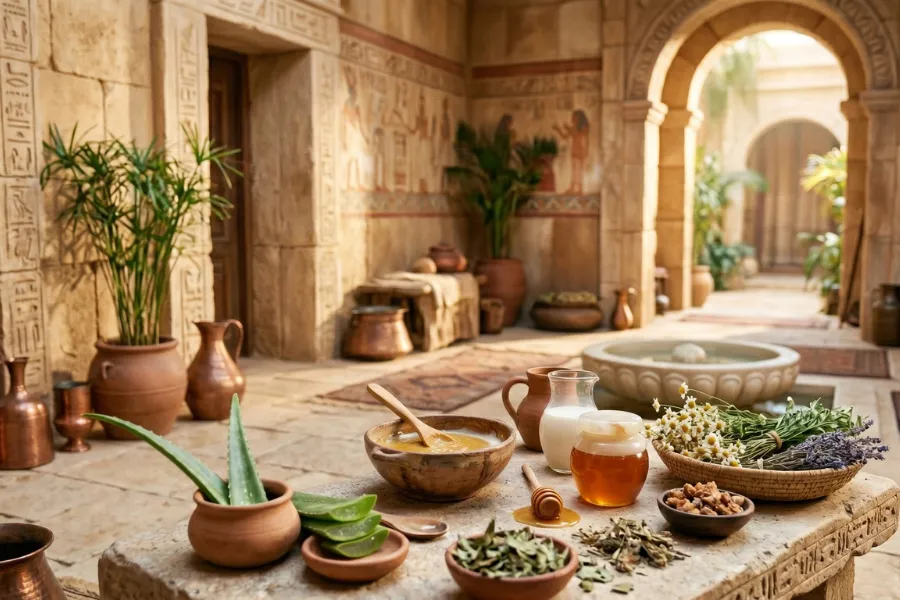
One of the most discussed aspects of Cleopatra Beauty Secrets is skincare. Ancient sources suggest she used natural ingredients to keep her complexion soft and radiant.
Honey was a popular ingredient in Ancient Egypt. It contains natural moisturizing properties that help retain skin hydration.
Benefits of honey include:
Many modern face masks still use honey because of these qualities.
Aloe vera was another valuable plant in Egyptian beauty culture. The gel from the plant helped soothe and hydrate the skin. Women often applied aloe vera to reduce dryness and improve skin comfort. Today, it remains a common ingredient in skincare products worldwide.
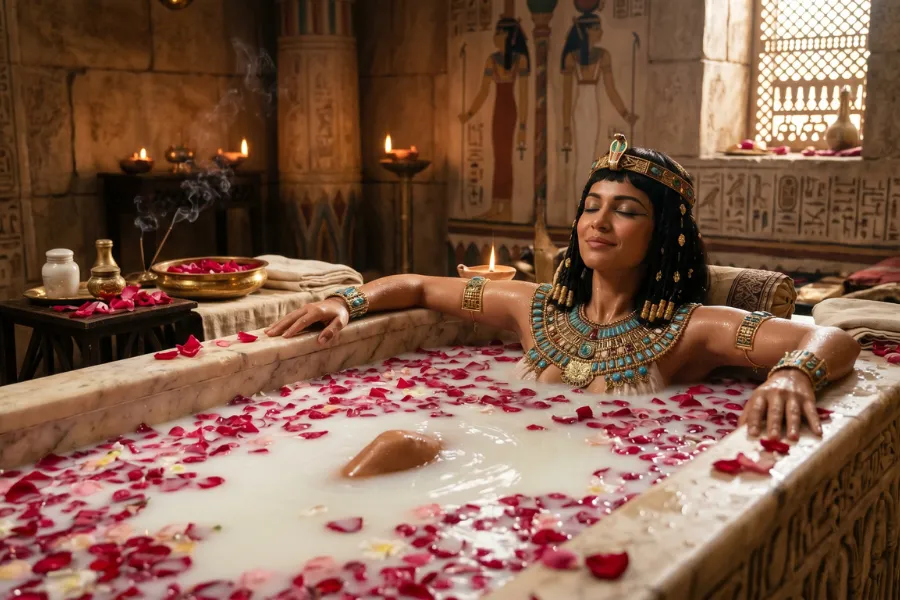
The famous milk bath remains one of the best-known Cleopatra Beauty Secrets. Historical accounts suggest she bathed in milk mixed with natural ingredients.
Milk contains lactic acid, a gentle exfoliating compound. This ingredient can help remove dead skin cells and improve skin texture.
Potential benefits include:
Modern spas continue to offer milk-based treatments inspired by this ancient practice.
| Ingredient | Purpose |
|---|---|
| Milk | Gentle exfoliation |
| Honey | Moisture retention |
| Rose petals | Pleasant fragrance |
| Essential oils | Skin nourishment |
These natural elements created a luxurious self-care experience.
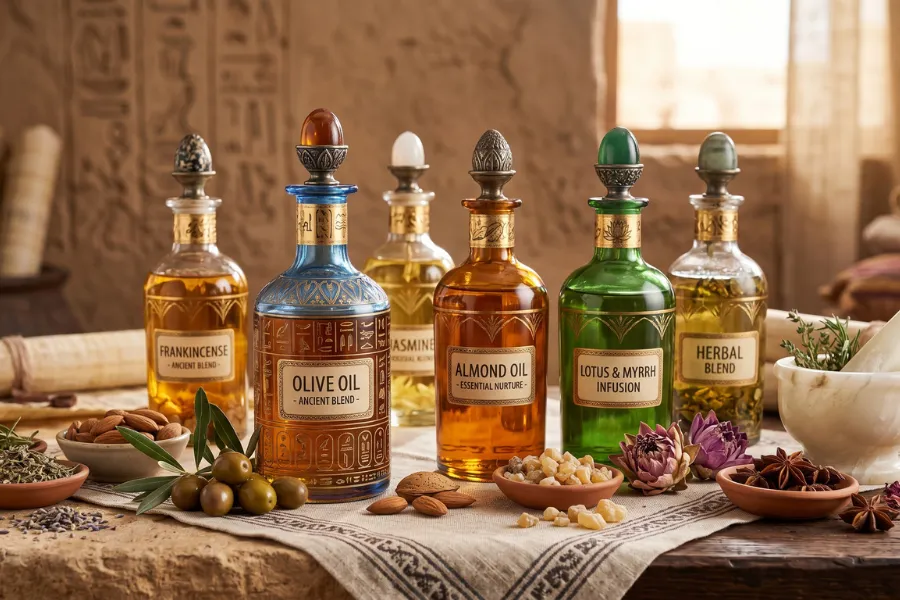
Natural oils played a major role in Cleopatra Beauty Secrets. Egypt produced various plant-based oils that helped protect the skin from the dry climate.
Olive oil was widely valued for skincare. It helped lock moisture into the skin and supported a healthy glow.
Benefits include:
Almond oil contains vitamins and fatty acids that support healthy skin.
Women used it to:
Many premium beauty products still include almond oil today.
Beautiful hair was an important part of royal appearance. Historical evidence suggests that Egyptians used natural oils and herbal mixtures to care for their hair.
Hair treatments often included:
These ingredients helped condition hair and improve manageability.
The Egyptian climate could be harsh. Therefore, protective hair care was essential.
Common practices included:
As a result, hair remained healthier despite environmental challenges.
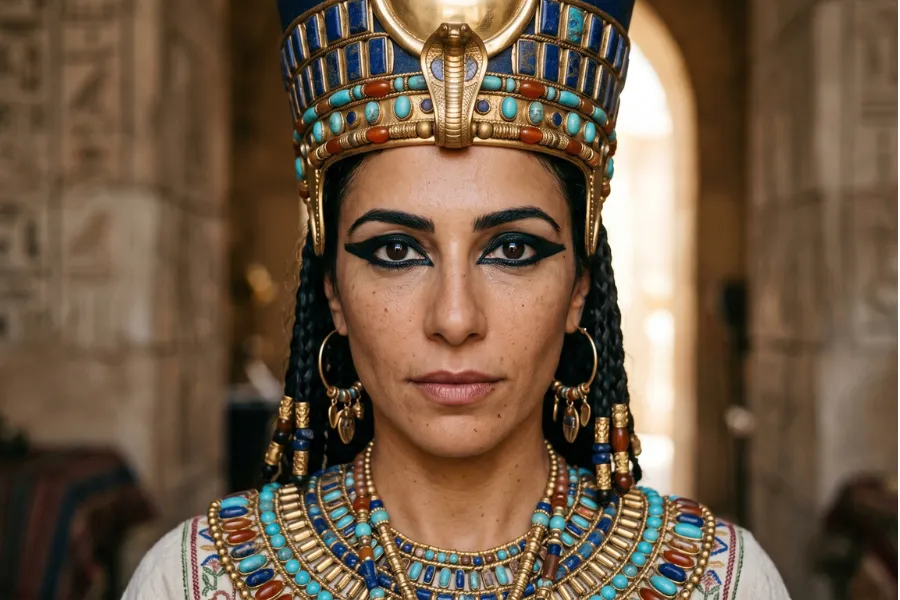
Makeup formed an important part of Egyptian culture. Cleopatra became famous for her dramatic eye makeup and elegant appearance.
Egyptians commonly used kohl around the eyes.
Reasons included:
Dark eye makeup became one of Cleopatra’s most recognizable features.
Ancient cosmetics often contained minerals and plant extracts.
Popular materials included:
| Ingredient | Beauty Purpose |
|---|---|
| Kohl | Eye definition |
| Red ochre | Lip color |
| Malachite | Green eye pigment |
| Plant oils | Skin conditioning |
These products reflected both beauty and tradition.
Beauty was not limited to external treatments. Cleopatra likely understood the value of overall wellness.
A balanced diet can influence skin health. Ancient Egyptian meals often included:
These foods provided nutrients that supported general well-being.
Water played a vital role in maintaining health and appearance. Consistent hydration supported skin function and overall comfort.
In addition, regular bathing helped keep the skin clean and refreshed.
Many modern skincare principles align with best Beauty Secrets.
Several ancient practices remain useful:
Furthermore, modern science supports many ingredients that Cleopatra reportedly used.
People can adopt historical beauty ideas while benefiting from scientific advancements.
For example:
This balanced approach offers practical benefits for long-term skin health.
Cleopatra Beauty Secrets continue to fascinate beauty enthusiasts centuries after her reign. Her skincare rituals focused on natural ingredients such as milk, honey, aloe vera, and nourishing oils. These methods emphasized healthy skin, consistent care, and overall wellness.
Although beauty standards have evolved, many of Cleopatra’s practices remain relevant today. By combining ancient inspiration with modern skincare knowledge, individuals can create routines that promote healthy, radiant skin while honoring one of history’s most iconic queens.
What were Cleopatra Beauty Secrets for glowing skin?
Historical accounts suggest Cleopatra used milk baths, honey, aloe vera, and natural oils to maintain soft and healthy-looking skin.
Did Cleopatra really bathe in milk?
Many historical sources associate Cleopatra with milk baths. The lactic acid in milk may help gently exfoliate the skin.
Which oils were used in Cleopatra Beauty Secrets?
Olive oil, almond oil, and castor oil are commonly linked to ancient Egyptian beauty practices.
Why was honey important in Cleopatra Beauty Secrets?
Honey provided natural moisture and helped keep the skin soft and hydrated.
Are Cleopatra’s beauty methods still useful today?
Many ingredients associated with Cleopatra remain popular in modern skincare because of their moisturizing and nourishing properties.